

Hazardous Materials are defined as any substance which poses a risk to health, safety and property when transported as determined by the Secretary of Transportation. These materials and substances can be chemical or biological. Hazardous chemicals, waste, proteins and specific nucleic acid sequences have been classified as hazardous. The Chemical Abstract Service (CAS) has indexed over 194,000,000 chemicals and over 70,000,000 biological substances. The Department of Transportation uses a placard system to identify 9 classes of hazardous materials.
Explosives
This category of hazardous materials includes both chemicals and devices which are designed to function by explosion. It is further broken down into 6 divisions. Briefly, mass explosion, projection hazard, fire hazard, minor explosion hazard, low probability of ignition/detonation, extremely insensitive materials with negligible risk of explosion.
One recognizable example of an explosive would be Trinitrotoluene commonly referred to as TNT. This compound was largely produced during world war I and currently has limited production restricted to highly regulated military arsenals. However, it also has industrial uses, and a small amount is imported.
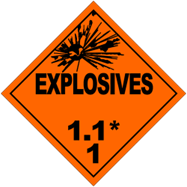
Consumer fireworks would be an explosive device which rural fire departments are more likely to come across in their work. These are low risk for explosion. They require an ignition event to pose any significant risk.

Gases
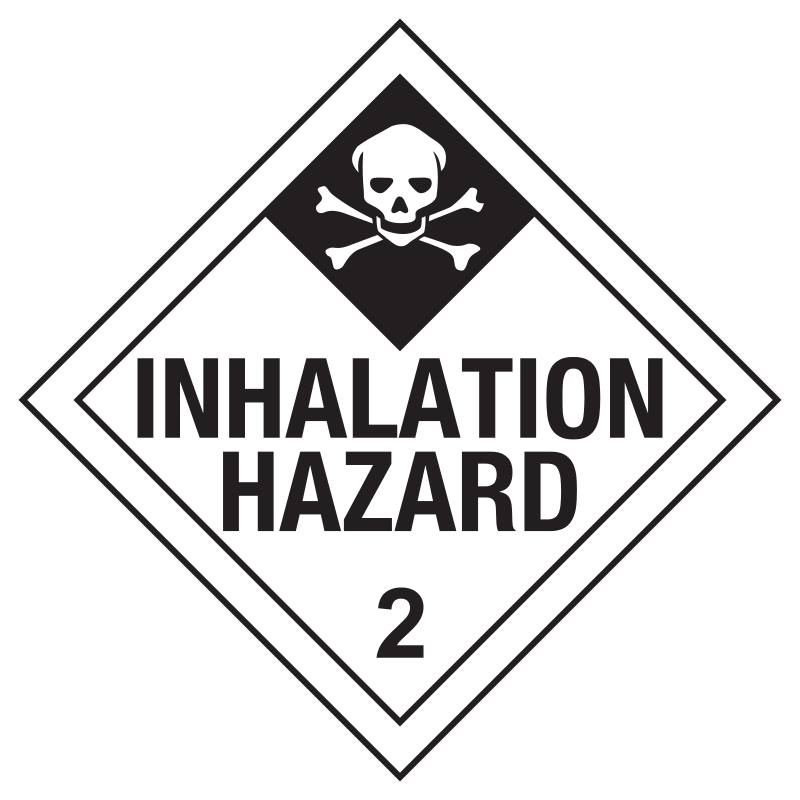
This includes all substances compressed and stored or transported under 40 psi. This class of hazardous materials is further broken-down into three categories. These categories are flammable, non-flammable and poisonous.
Flammable gases include Hydrogen, Ethylene, Butylene, and Acetylene among others. Non-flammable gases include oxygen and nitrogen.
One example of a poisonous gas is Sulfur Tetrafluoride. This gas is used in making materials water and oil repellant as well as in making pesticides. As a eye, skin and mucous membrane irritant, Sulfur Tetrafluoride exposure can cause irritation and coughing. High level exposure can cause fluid to build-up in the lungs. Further, repeated exposures can result in the accumulation of fluorides in bones and teeth. This condition is painful and can cause disability.
Flammable Liquids
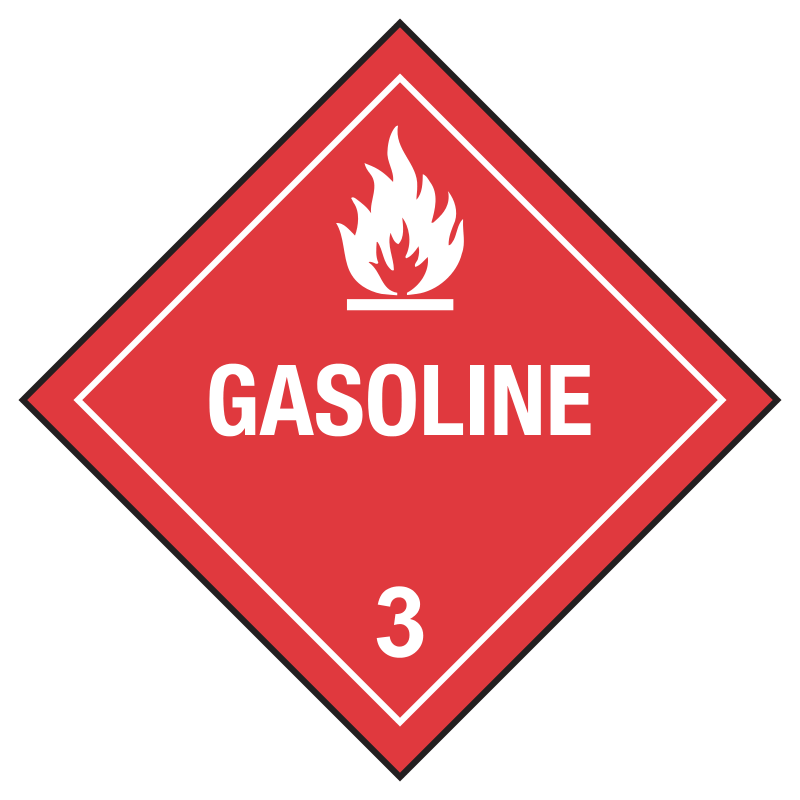
A flammable liquid is any liquid with a flash point below 60°C. A flash point is the lowest temperature at which that liquid begins to convert into its gaseous state. At this temperature with gas being near the liquid surface, ignition is possible.
One example of a flammable liquid is gasoline. Gasoline is the fuel for internal combustion engines. So, the material is often present at incidence where vehicles or machinery are involved. Evaluating ignition risk will be key when gasoline is present.
Flammable Solids
Are any solid substance or material that poses a risk of fire when conditions become uncontrolled. These materials are further sorted into three categories.
- Flammable solids are readily combustible through friction.
- Spontaneously combustible solids can ignite due to an increase in heat or are self-heating.
- Water reactive substances emit a flammable gas upon contact with water.
One example of a water reactive solid is lithium. Lithium can be found in phone batteries as well as electric vehicle batteries. As these vehicles become more common on the road an understanding of lithium’s reactivity and flammability risk becomes more imperative to firefighters. Although, it should be noted that the batteries themselves are categorized as miscellaneous.

Oxidizers
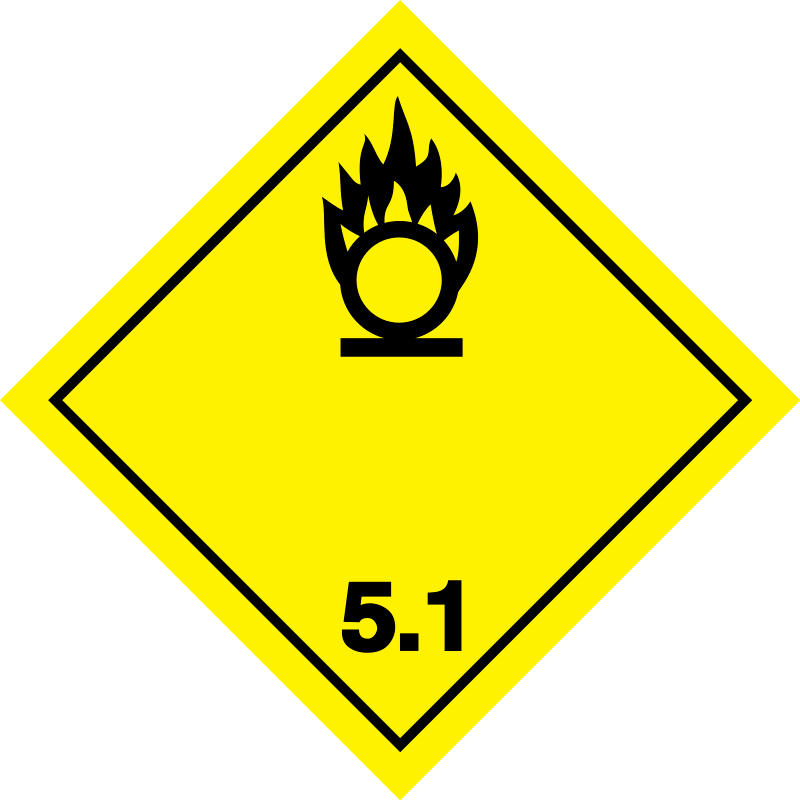
These chemical compounds create reactions which result in the production of oxygen. Therefore, by emitting more oxygen into the environment, oxidizers enhance fire risk and support existing fires. This hazmat group is divided into two groups. Oxidizers being anything that simply yields oxygen and organic peroxides. When we are talking about organic peroxides, organic means any compound containing carbon. Peroxide means two oxygens. So, organic peroxides are simply chemical compounds containing carbon and two oxygen molecules bound to each other.
One commonly found oxidizer is potassium bromate. Potassium bromate is used as a dough improver the release of oxygen in this case allows dough to rise creating a fluffier thicker product. It is also used in the production of malt barley. So, the next time you are enjoying a beer and a slice of pizza with a nice thick crust remember how oxidizing agents can make our life more enjoyable, but also can be a risk if encountered on a fire scene.
Poison and Infectious Substances
This group of hazardous materials is broken into two categories, poison, and biohazard. Ultimately it is any substance with the exclusion of gas which is known to be toxic to humans. One example of biohazardous material would be medical waste containing infectious agents such as bacteria or viruses.
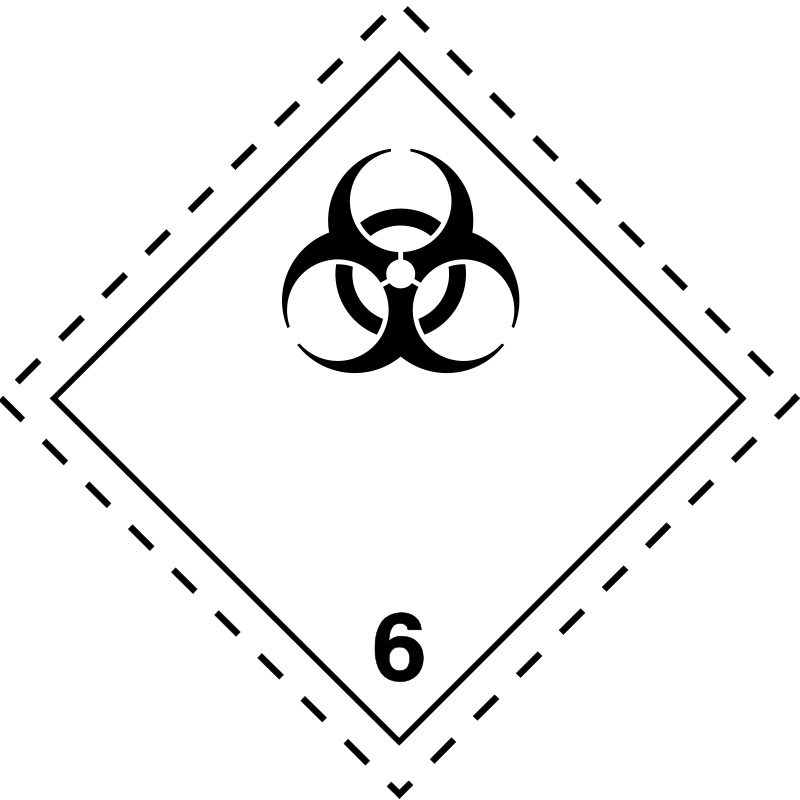
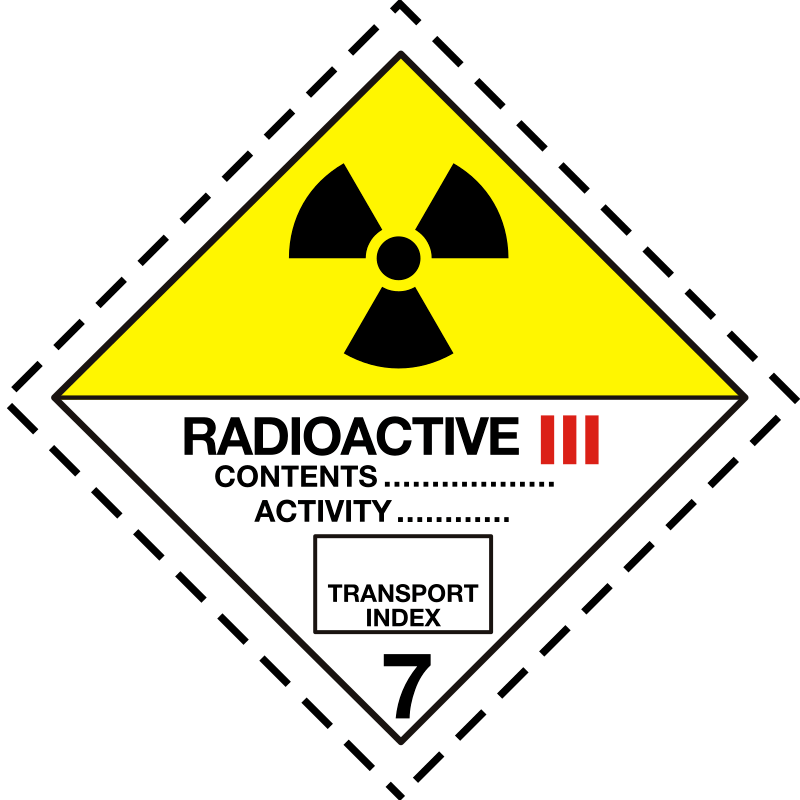
Radioactive
Radioactivity often makes us think of superheroes like the Incredible Hulk or the Fantastic Four. However, it is not that fantastical. Radioactivity simply means a chemical is releasing energy from its nucleus in the form of atoms. It is important to protect yourself from these atoms and wear proper personal protective equipment. Some radioactive materials can be blocked simply by a piece of paper. Others need a lead shield such as the case with x-rays.
One example of radioactivity comes from biological laboratory experiments. Scientists and technicians performing radioimmunoassay (RIA) utilize isotopes of iodine. However, when exposure level and times are exceeded, these professionals get a goiter or enlarged thyroid from the exposure. Unfortunately, this is NOT accompanied by superhuman powers!
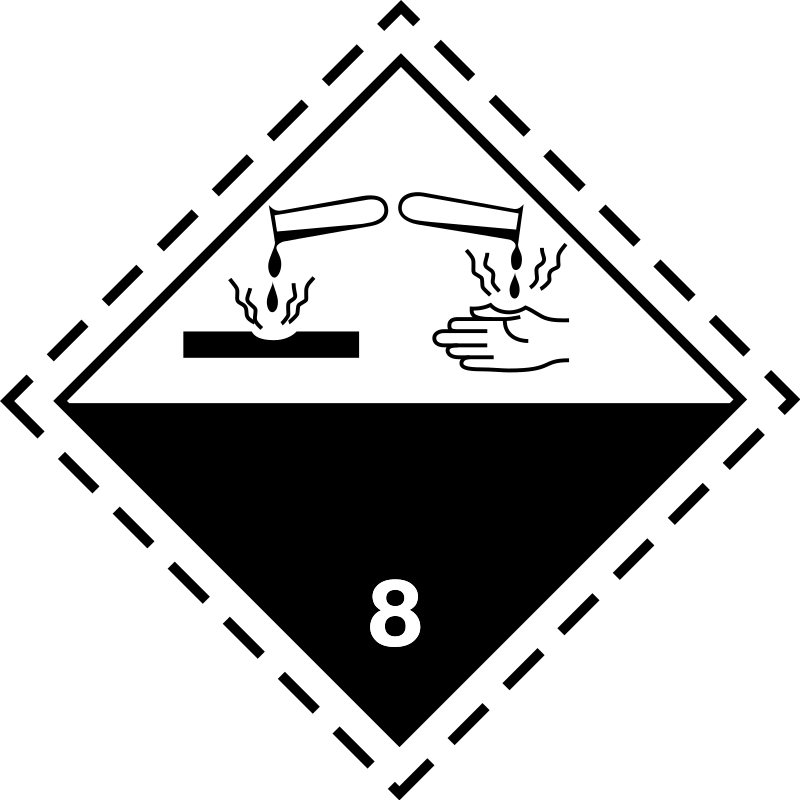
Corrosive
Corrosive material is defined as any liquid or solid that can destroy all layers of human skin within a short period of time. Biological pH is usually neutral around 7. Therefore, many corrosive materials are acids or bases with pH on either range from 1-3 or 12-14.
Miscellaneous
This classification of hazardous materials encompasses anything that poses a threat but does not fall into the other hazmat categories. One example under this category is asbestos, which is a material resistant to heat, but poses significant carcinogenic risks. Air bags is another example of a miscellaneous hazard first responders should be aware of as then can commonly be encountered at the scene of a vehicle accident.

In conclusion, there are 9 classes of hazardous materials which may be encountered on scene. The ability to identify these substances is the first step in ensuring everyone on scene remains safe and healthy through the incident. Once an awareness of a hazard has been established, proper protocols should be followed when handling the substance or material. This makes hazmat training an invaluable tool to responding firefighters.
 Heavy R Trainng
Leave a comment